 Ketaabzi
→ فارسی
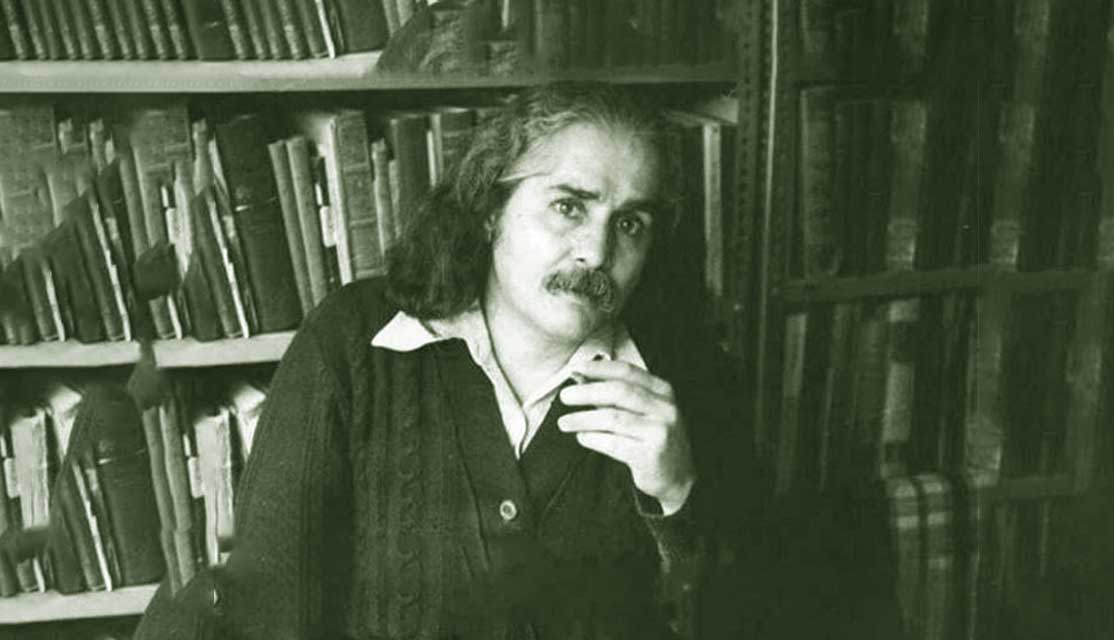
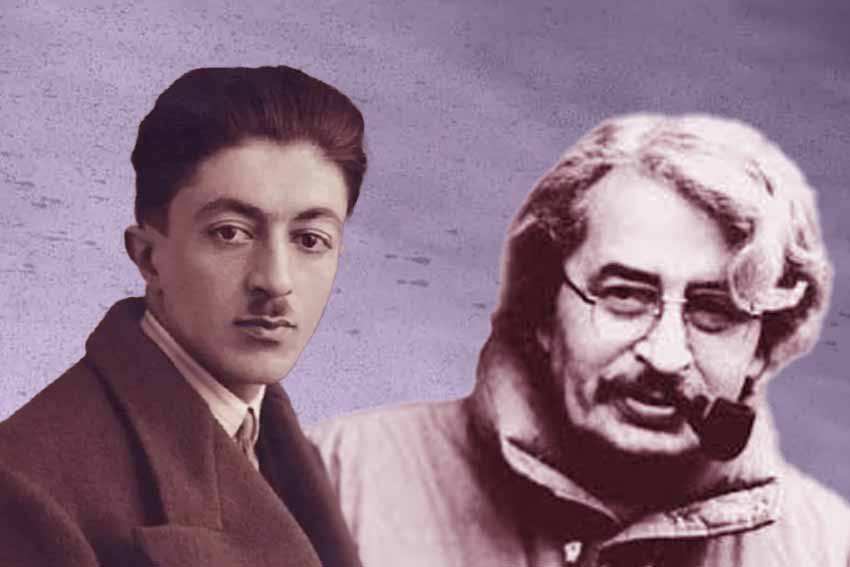
In the history of translating dramatic literature into Persian, the collaboration between Abdolhossein Nushin and Nima Yooshij on William Shakespeare’s Othello stands as a unique milestone. First published in 1940 (1319 Solar Hijri), this play was the product of a joint effort by two founding figures of modernism in two distinct cultural spheres of Iran: Nushin as the "father of modern Iranian theatre" and Nima as the founder of Persian modern poetry (New Poetry). In this article, we will examine the dimensions of this historic collaboration, Nushin’s role in the movement to translate Shakespeare’s works into Persian, and an analysis of Nima’s poetic language in the recreation of the play’s verses.
The Founder of Modern Iranian Theatre in Exile
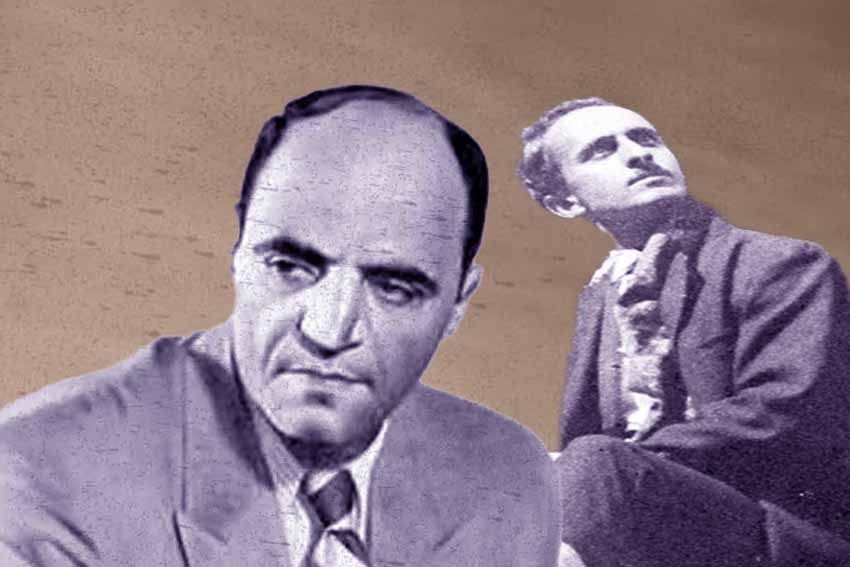
Seyyed Abdolhossein Nushin Khorasani (1906–1971) was a multifaceted figure: playwright, theatre director, translator, scholar of the Shahnameh (the Persian Book of Kings), one of the editors of the renowned "Moscow Shahnameh" edition, and a key member of the Tudeh Party of Iran. Born in Torbat-e Heydarieh, he studied at the French school Saint-Louis before going to France, where he studied dramatic arts at the Conservatoire de Toulouse. After returning to Iran in 1932 (1311 SH), Nushin revolutionized the Iranian stage by translating and staging critical and socially engaged plays and founding the Ferdowsi Theatre. He was among the first serious translators of Shakespeare into Persian. According to records, Nushin published Othello in 1940 and the comedy Much Ado About Nothing in 1950. Othello was reprinted in 1978 (1357 SH) in a 132-page pocket-sized edition by Amir Kabir Publications. However, the crucial point about this translation is Nushin’s close acquaintance and collaboration with Nima Yooshij. Nushin’s friendship with many intellectuals of that era – including Sadegh Hedayat, Bozorg Alavi, Saeed Nafisi, and Ali-Akbar Dehkhoda – formed a broad network of Iranian intellectuals who played a key role in translating and conveying modern concepts to Iranian society.
Nima, a Poet at the Service of Shakespeare’s Translation
The synergy between Nushin and Nima in translating Othello represents a novel and rare model in the history of contemporary Iranian literature. While Nushin focused on recreating the play’s sentences and dialogues into fluent, stage-ready prose, Nima was responsible for rendering the poems and songs within the text. This conscious division of labor demonstrates both artists’ deep understanding of each other’s limitations and strengths. As noted in various editions of this book – including those published by Qatreh and Amir Kabir – the verse translations are by Nima Yooshij. Nima’s prior familiarity with French literature and especially with Shakespeare, on the one hand, and his innovative approach to Persian poetry, on the other, made his rendering of the play’s verses a unique experiment. Research indicates that the poems within Nushin’s translation acquired a special luster in Nima’s hand, harmonizing with the verbal and musical structure of the text.
A Sample of Verse Translated by Nima
In printed editions of Othello with Nushin’s translation – including the second edition (1978/1357 SH) by Amir Kabir – the poems have been recreated in a poetic form derived from Nima’s style. Although the entire play is translated in prose, the lyrical passages and songs within the text were versified by Nima. For example, the "Willow Song" that Desdemona sings in her final moments is one of the most prominent lyrical pieces of Othello. In the original, Desdemona laments remembering a willow tree and a lover who abandoned her. Nima rendered this poetic image into Persian by relying on a regretful tone and a fluid rhythm. In parts of this translation, one can clearly see Nima’s indebtedness to everyday language and the simple yet profound tone of Shakespeare’s dramatic texts.
The Historical Context of Translating Shakespeare in Iran
The movement to translate Shakespeare into Persian began in the mid-19th century. Abolghasem Qaragozlu (Naser ol-Molk), one of the first Iranians educated at Oxford University, produced the first translation of Othello in Paris. Later, Mahmoud Etemadzadeh (M. A. Behazin) also offered a different rendition of the play. Yet what distinguishes Abdolhossein Nushin’s translation from other contemporary renderings is his hybrid approach – employing two distinct linguistic systems (prose and verse) – and his invitation to Nima to collaborate on the poems. Moreover, in his introduction, Nushin points to the inadequacy of Shakespearean theatrical techniques for contemporary performance and stresses the necessity of adaptation using modern stage designs. This introduction, originally written by Nushin himself, demonstrates his profound awareness of the dramaturgical aspects of translation. He believed that with advances in theatrical technique, one could no longer stage Shakespeare’s plays as they had been performed three centuries earlier; thus, the translator and director must employ modern possibilities.
The Synergy of Theatre and Poetry
The collaboration between Abdolhossein Nushin and Nima Yooshij on Othello can be seen as the intersection of two parallel currents in the history of Iranian modernism. The first current was Nushin’s reconstruction of the foundations of a national and scientific theatre, which, through precise translations and disciplined direction, blended Western theatrical frameworks with contemporary Iranian social critiques. The second current was Nima’s poetic revolution, which, through breaking classical norms and using natural language, transformed the structure of Persian poetry. Although these two currents operated in different spheres, they converged in the joint translation of Othello. Nushin needed Nima to convey the music and emotion of Shakespeare’s poems to the Iranian audience in a new and effective language. Conversely, Nima found the opportunity to test his ability to adapt Persian poetry to European rhythms within the framework of translation. This interplay between literal translation and poetic recreation has kept this work among the best and most enduring Persian translations of Othello even after eight decades.
The book Othello, translated by Abdolhossein Nushin with the verse renderings by Nima Yooshij, has been reprinted many times over the years. This lasting popularity reflects the intrinsic value of this translation and its ability to attract audiences from different generations. Nima’s presence in translating Shakespeare’s text set a model for later translators. In subsequent generations, figures such as Ahmad Shamlou, in their translations of Western plays, also invited poets and men of letters to collaborate. This method – which can be called "collaborative translation" – was in fact first tried and established by Nushin and Nima. Even today, any edition of Nushin’s Othello found in bookstores includes the credit "Verse translations by Nima Yooshij," a precious legacy of this unique literary collaboration in contemporary Iranian history.
Abdolhossein Nushin’s translation of Othello and his collaboration with Nima Yooshij on rendering the poems is a rare example of bilateral interaction between two artistic realms in modern Iran. Nushin, relying on his theatrical knowledge and scholarly approach, provided a text that was understandable and performable, while Nima, with his poetic sensitivity, recreated the subtleties of Shakespeare’s language in Persian in a novel form. This work stands as a historical document of the cooperation between two great pioneers of cultural renewal in Iran.